Related Articles


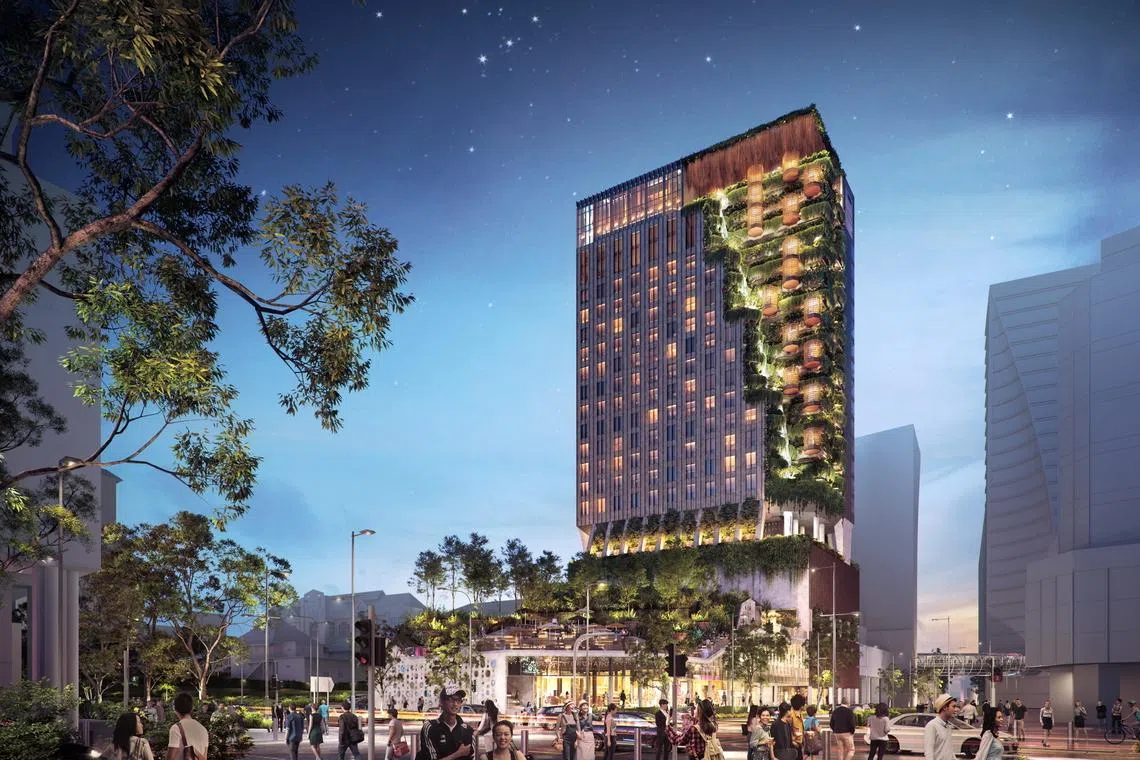
Shopping malls today are no longer just retail spaces; they are full-scale lifestyle cities. From indoor ski slopes to theme parks and luxury boulevards, have you wondered where the largest shopping malls in the world are? These world’s biggest malls are redefining how people shop, eat, and spend their leisure time.
What’s especially exciting for Southeast Asian travellers? Malaysia, Philippines, and Thailand have all secured a place in the global top tier, standing shoulder-to-shoulder with retail giants from the Middle East and China.
Also read: Top 10 World’s Biggest Airports: KLIA is the Largest in Southeast Asia
Top 10 Largest Shopping Malls in the World
1. Iran Mall (Iran)
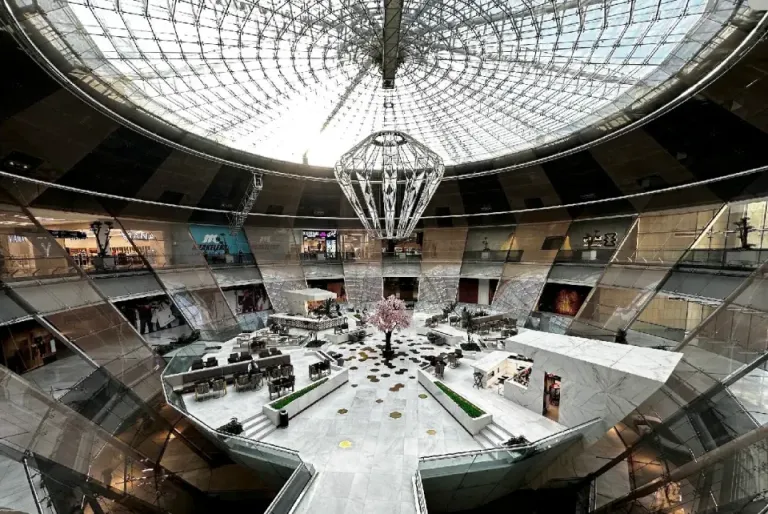 Image credit: Wikimedia
Still the undisputed largest mall in the world by total scale.
The largest mall in the world, Iran Mall, goes far beyond retail. It houses not just shops, but also a grand library, art galleries, a mosque, sports facilities, and even a luxury hotel. Walking through it feels more like exploring a cultural city than a shopping complex, with beautifully designed halls inspired by Persian architecture.
Size: ≈ 1,950,000 m² (21,000,000 sq ft)
2. The Avenues Mall (Kuwait)
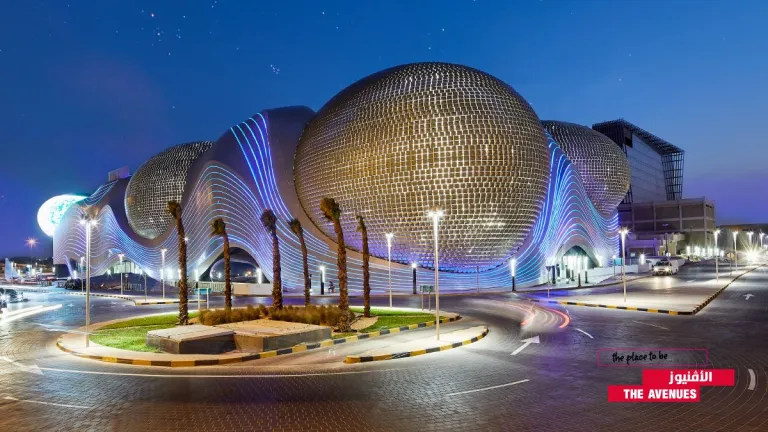 Image credit: The Avenues Mall | Official Facebook
[–>
The Avenues isn’t just massive, it’s one of the most visually striking malls in the world.
With themed districts like Grand Avenue and The Souk, it feels like multiple luxury cities connected under one roof. It also features hotels, cinemas, and high-end retail zones, making it a full lifestyle destination.
Size: ≈ 1,200,000 m² (12,900,000 sq ft)
3. IOI City Mall (Malaysia)
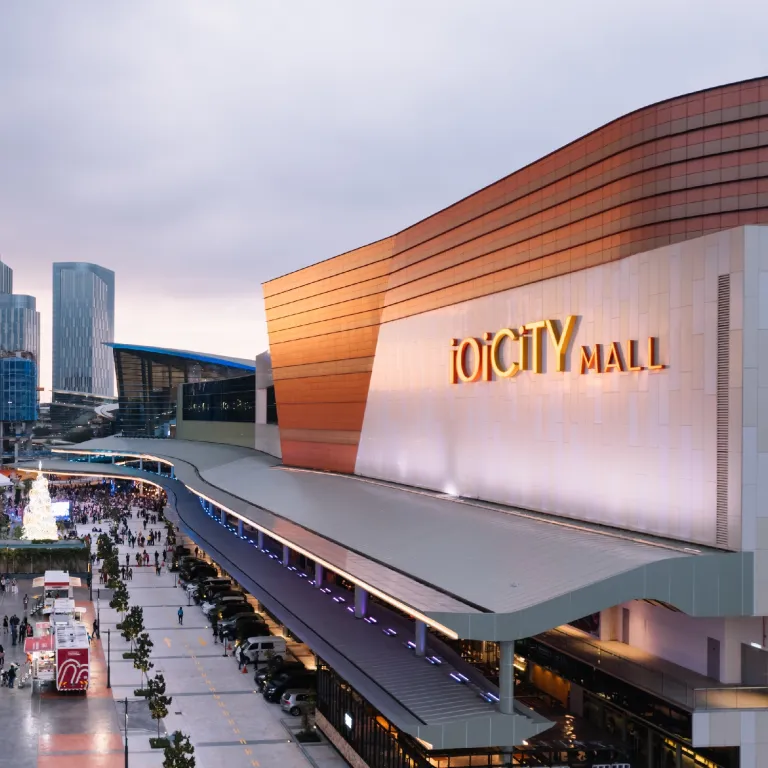 Image credit: IOI City Mall | Official Facebook
Southeast Asia’s retail powerhouse and Malaysia’s global pride.
One of the largest malls in the world by gross leasable area, IOI City Mall is more than just shopping—it includes an Olympic-sized ice rink, indoor adventure attractions, dining districts, and family entertainment zones.
Size: ≈ 821,000 m² (8,840,000 sq ft)
4. Isfahan City Center (Iran)
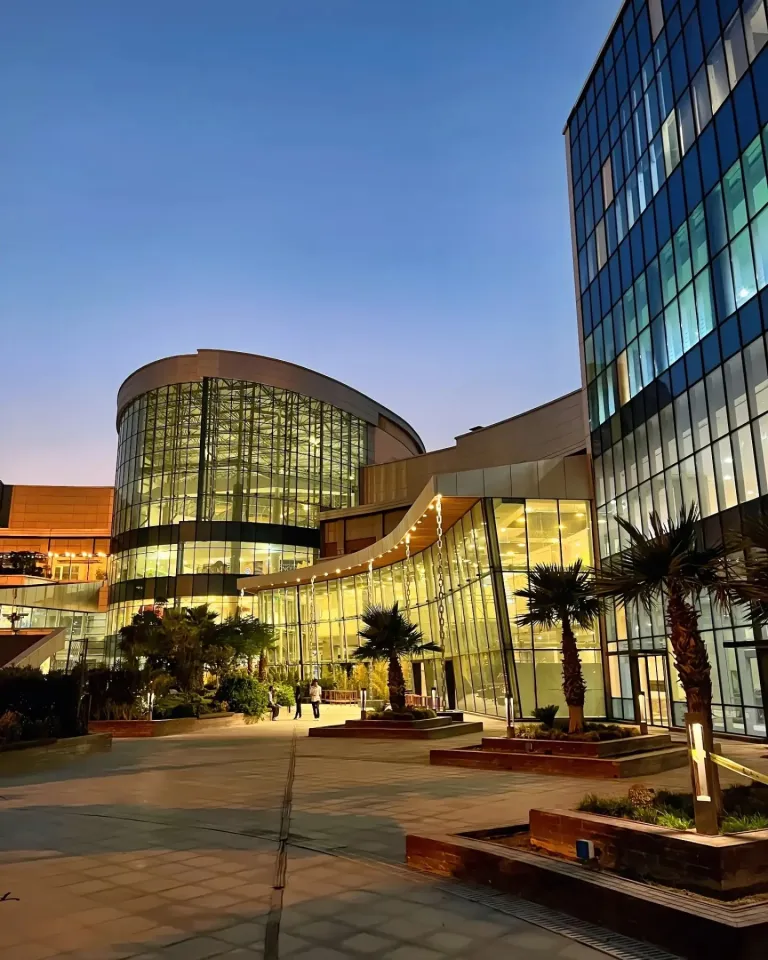 Image credit: Isfahan City Center اصفهان سیتی سنتر | Official Facebook
One of the largest malls in the Middle East, Isfahan City Centre, is a massive multi-purpose complex. It features over 700 stores, hotels, and the region’s largest indoor amusement park, making it a major entertainment destination beyond just shopping.
[–>
Size: ≈ 776,000 m² (8,350,000 sq ft)
5. South China Mall (China)
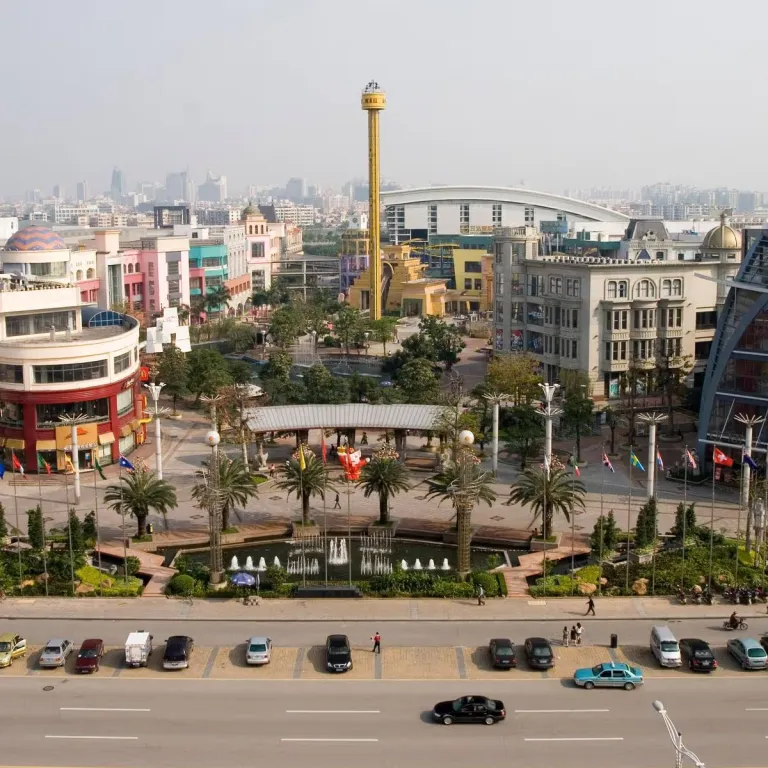 Image credit: Michael Lassman | Bloomberg
Once dubbed a “ghost mall” due to low occupancy, South China Mall has since undergone a revival. Today, it houses themed zones, entertainment attractions, and retail spaces, though its earlier history still makes it one of the most fascinating mega mall stories in the world.
Size: ≈ 659,612 m² (7,100,000 sq ft)
6. SM Mall of Asia (Philippines)
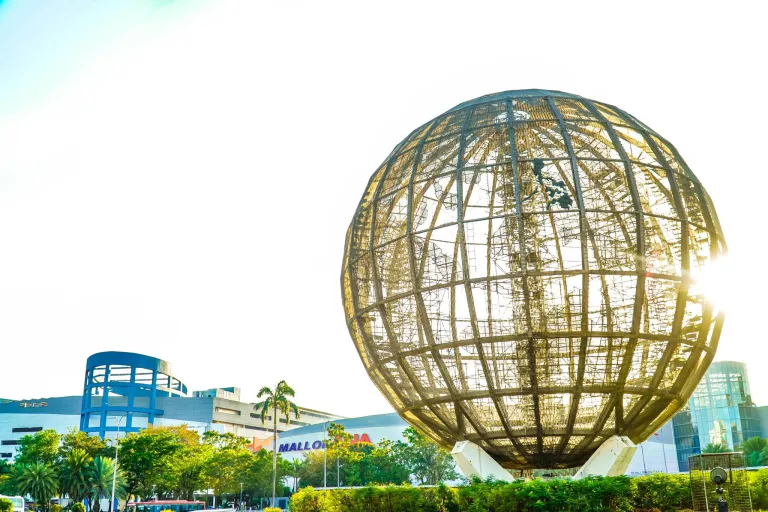 Image credit: SM Mall of Asia Official | Official Facebook
The largest mall in the Philippines, SM Mall of Asia is more than just retail—it’s a sprawling lifestyle district. It includes an arena, hotels, IT parks, an IKEA store, amusement areas, and a scenic seaside promenade that’s especially popular at sunset.
Size: ≈ 589,891 m² (6,349,530 sq ft)
7. SM City Tianjin (China)
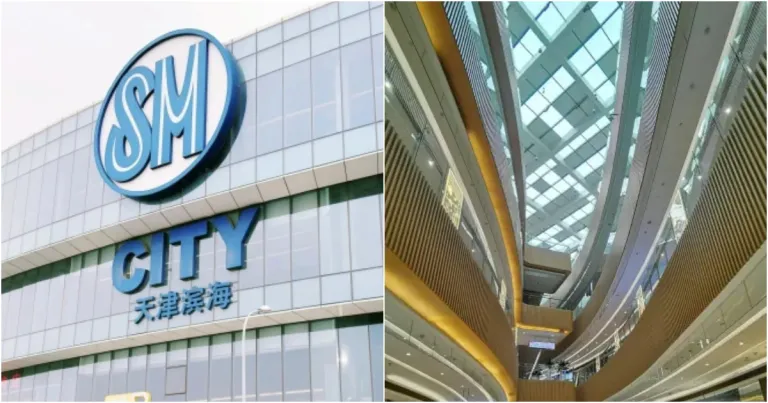 Image credit: Baidu Wiki | Official Website
The largest SM mall outside the Philippines, this mega complex is designed with multiple interconnected zones for shopping, dining, and entertainment. Its scale and layout encourage visitors to spend extended time exploring different sections.
[–>
Size: ≈ 565,000 m² (6,080,000 sq ft)
8. Golden Resources Mall (China)
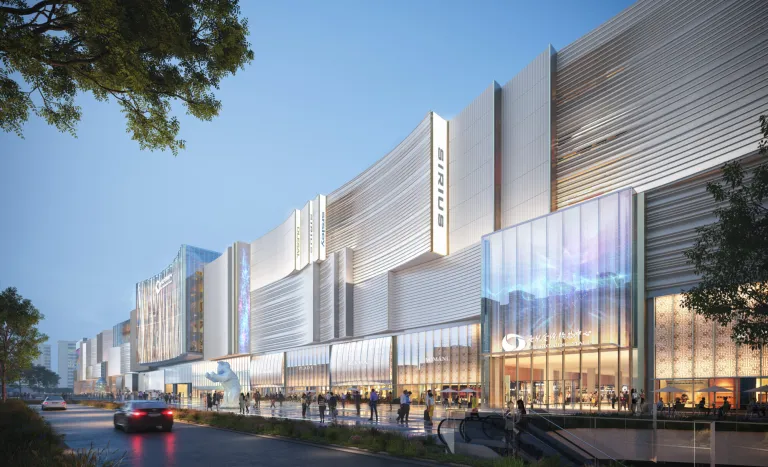 Image credit: BENOY | Official Website
Known as the “Great Mall of China,” this was once the largest mall in the world. Its massive corridors and expansive layout set the standard for mega malls, and it remains an iconic example of large-scale retail development.
Size: ≈ 557,419 m² (6,000,010 sq ft)
9. CentralPlaza WestGate (Thailand)
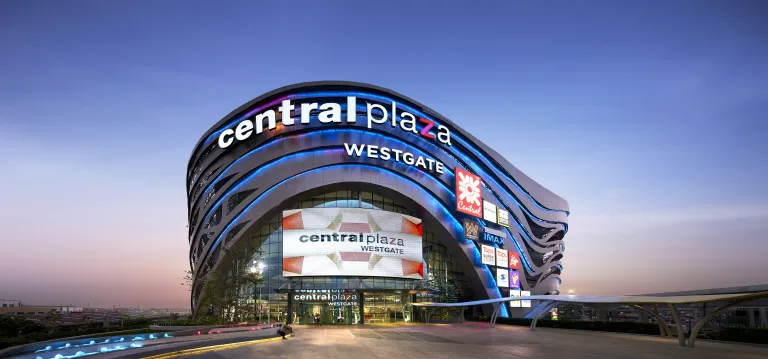 Image credit: Central | Official Website
Located just outside Bangkok, Central WestGate combines retail, dining, and entertainment with an integrated IKEA store. Its sheer scale and accessibility make it a popular destination for both locals and visitors looking for a full-day shopping experience.
Size: ≈ 550,278 m² (5,923,140 sq ft)
10. CentralWorld (Thailand)
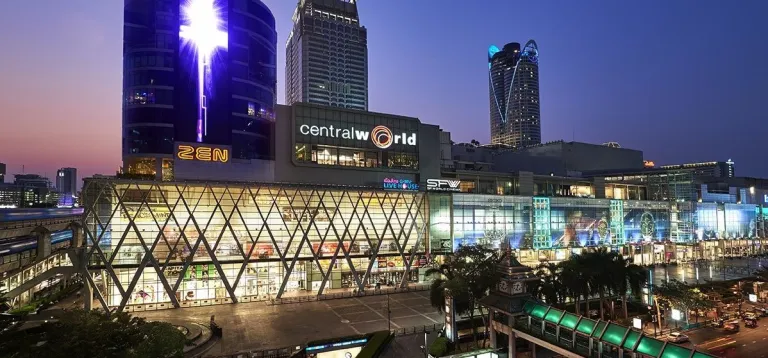 Image credit: Central | Official Website
A central landmark in Bangkok, CentralWorld is more than a mall—it’s a lifestyle hub. With shopping, offices, hotels, and event spaces, it regularly hosts festivals, countdown events, and exhibitions, making it one of the city’s busiest gathering spots.
Size: ≈ 550,000 m² (5,900,000 sq ft)
[–>
Southeast Asia’s Strong Presence
What’s striking is how well Southeast Asia performs on this global list.
For many in Singapore and the region, malls are:
-
Social spaces
-
Dining hotspots
-
Weekend hangouts
-
Everyday lifestyle hubs
That’s why malls like IOI City Mall, SM Mall of Asia, and CentralWorld are designed as all-in-one destinations rather than just retail centres.
Also read: The Best Business Class Cabins in the World in 2026: Which Airlines Own the Throne?
Malaysia’s Big Win
Among global giants like Iran and Kuwait, Malaysia holding a top 3 position is no small feat.
IOI City Mall stands out not just for its size, but for how well it blends shopping with entertainment and lifestyle experiences. That is something Southeast Asian travellers value highly.
For Singaporeans, it’s also one of the easiest “world’s largest mall” experiences to visit. It’s really just a short trip away.