Related Articles



Malaysia will implement a work-from-home (WFH) arrangement for public sector employees starting 15 April, as part of efforts to reduce fuel consumption and manage rising energy costs driven by global uncertainties.
Prime Minister Anwar Ibrahim said the policy will cover government ministries, agencies, statutory bodies, and government-linked companies. More details on how the arrangement will be carried out are expected to be announced soon.
Also read: Top Slow Work Destinations to Bookmark for Your Next Work-cation
A Response to Rising Fuel Prices
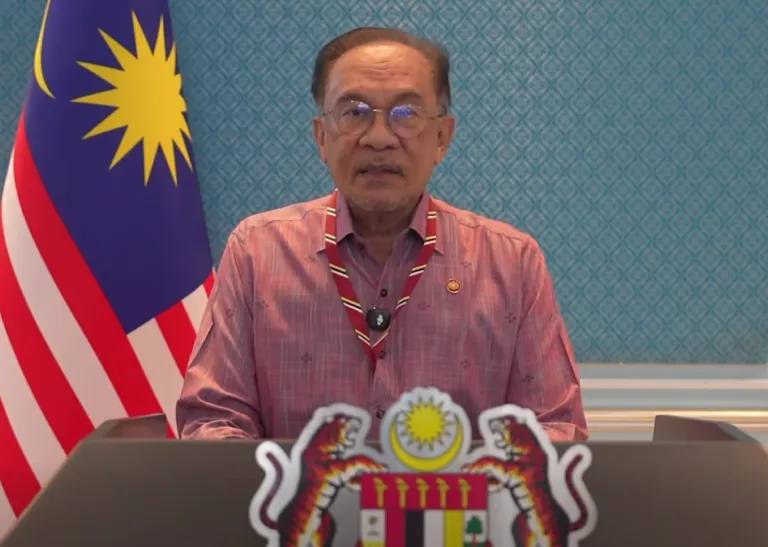 Image credit: Anwar Ibrahim | Official Facebook
[–>
The move comes as energy prices surge due to ongoing tensions in the Middle East, which have disrupted global supply chains.
“The aim is to reduce fuel consumption and ensure the sustainability of energy supply,” Anwar said, adding that Malaysia must be prepared for prolonged uncertainty.
He also encouraged the private sector to consider similar flexible work arrangements to help ease pressure on fuel demand.
Subsidies Under Pressure
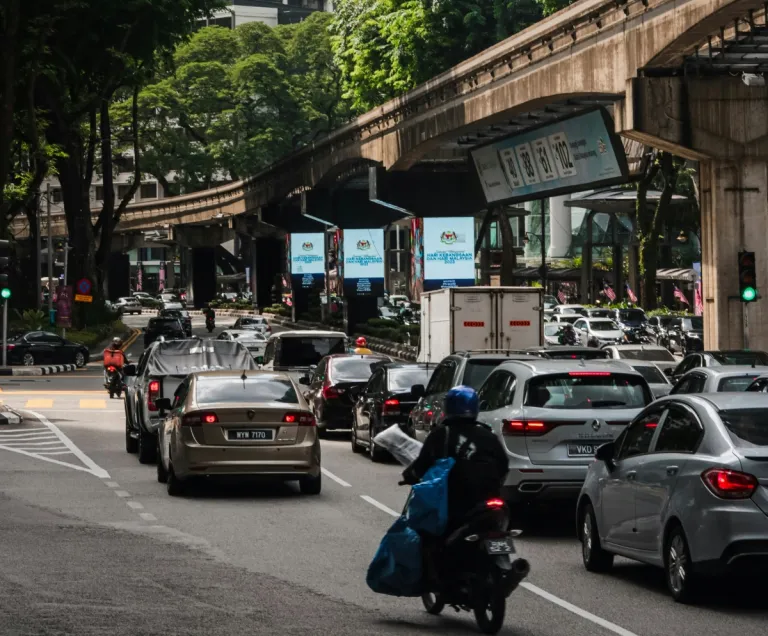 Image credit: Mikolas Voborsky | Unsplash
[–>
Malaysia is currently spending around RM4 billion (about US$1 billion) each month to subsidise fuel and keep prices affordable for consumers.
While these measures have helped cushion the impact, Anwar acknowledged that such spending is not sustainable in the long run.
“This is no small feat,” he said. “Our ability to absorb these rising costs is limited.”
Securing Energy Supply as the Global Situation Could Worsen
Anwar noted that discussions with leaders from Iran, Gulf countries, and Indonesia suggest the energy crisis could deteriorate further before improving.
[–>
To manage the situation, the government is working to diversify oil and gas import sources while coordinating with key players such as Petronas to secure a sufficient supply.
Authorities will also step up enforcement against misinformation related to the energy situation circulating online.
Fuel Prices Still Fluctuating
Separately, the finance ministry reported a fourth straight weekly increase in unsubsidised diesel prices. However, RON97 petrol prices saw a slight dip.
Subsidised RON95 petrol remains capped at RM1.99 per litre for now.
[–>